
Leafy green · Medicinal
Spider plant
Cleome gynandra
A UNESCO-recognised traditional vegetable with deeply bitter, flavourful leaves that are prized across Southern and East Africa — and one of the most culturally significant leafy greens in the Shiriki collection.
About this crop
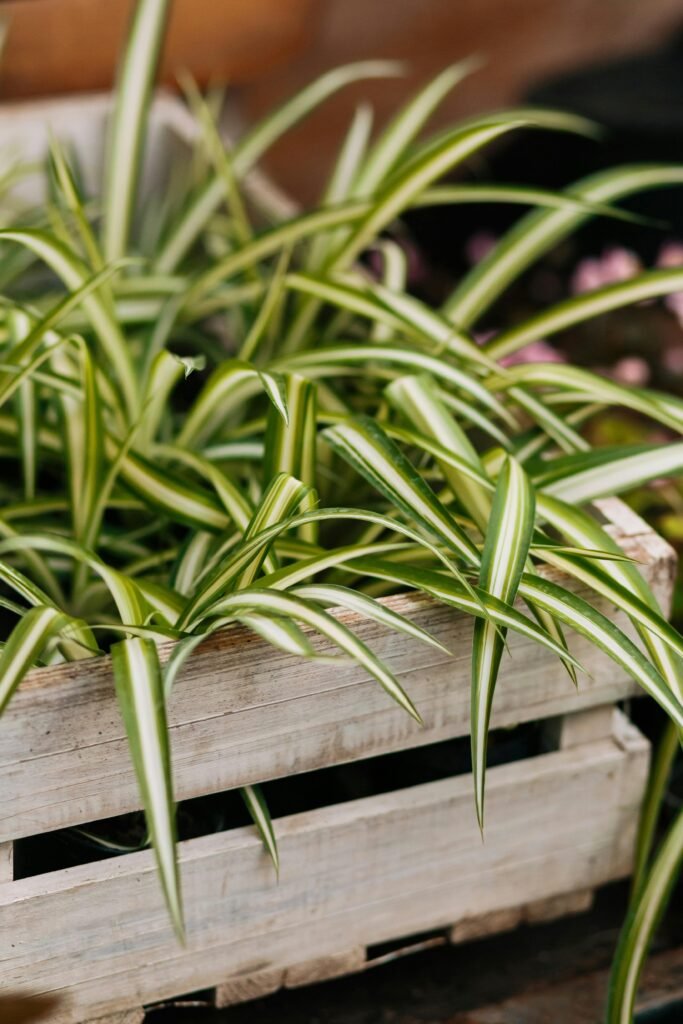
Spider plant — named for the shape of its seed pods, which spread like spider legs — is one of the most culturally embedded leafy vegetables in Southern and East Africa. UNESCO has recognised it as part of the traditional vegetable heritage of the region. In Zimbabwe it is called “Shona cabbage” and is eaten daily in many households. In KwaZulu-Natal and Limpopo it is harvested from wild stands and community gardens as morogo. In East Africa it is a market vegetable with consistent demand.
The leaves have a distinctive bitter taste that becomes more pronounced as the plant matures — some people prefer the young tender leaves, while others specifically seek the older, more intensely flavoured material. This bitterness is part of its cultural value: it is associated with cleansing, digestive health, and traditional medicine across multiple African cultures. The plant is used medicinally for fever, malaria, eye infections, and respiratory conditions in various traditional healing systems.
Growing guide
Spider plant grows from direct-sown seed in warm soil. It prefers full sun and warm temperatures — in Gauteng, plant outdoors from October and under tunnel cover from April. It is more cold-tolerant than jute mallow or okra, but still frost-sensitive. It self-seeds prolifically — once you have spider plant in a garden, it tends to return year after year from dropped seed.
Harvest the growing tips and young leaves regularly — this encourages branching and continuous production. The plant can be cut back hard and will regenerate. It produces attractive white to pink flowers that attract beneficial insects — allow some plants to flower for pollinator habitat and seed collection.