
Plant database
A living library of African indigenous food plants — growing guides, nutritional profiles, local names, and market potential. Updated as the Shiriki pilot farm generates field data.
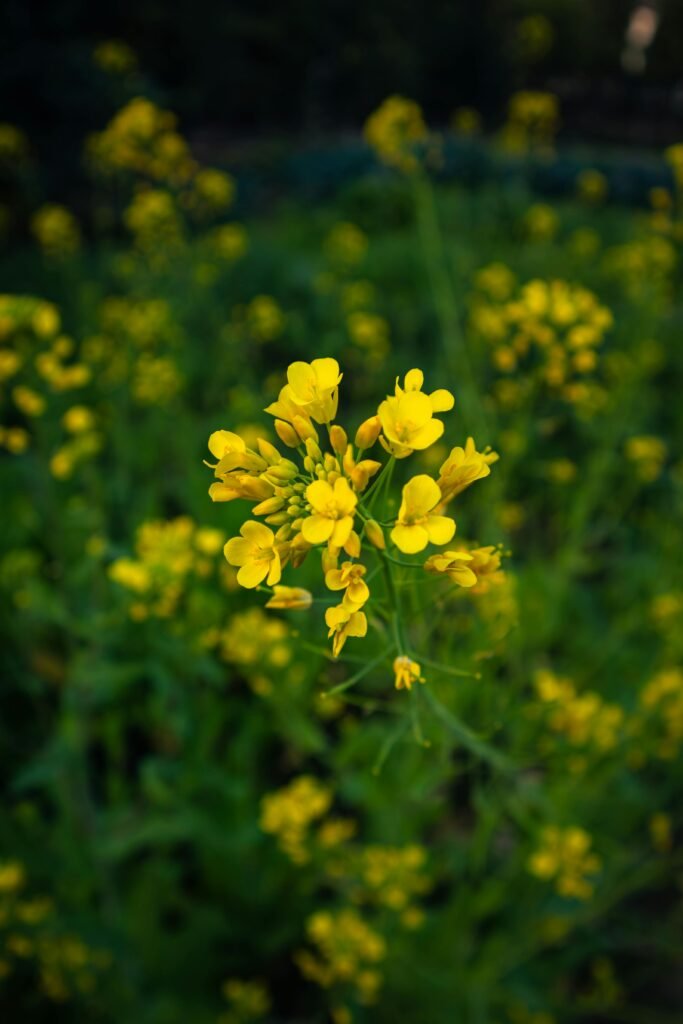
Leafy green · Heritage
Morogo
Brassica juncea / Various indigenous species
The generic South African term for wild leafy greens — a category that encompasses dozens of species, each with deep cultural roots and consistent community demand across the country.
About this crop
Morogo is not a single plant — it is a South African cultural category that encompasses a wide range of leafy greens harvested from wild stands, community gardens, and roadsides. The term (from Sotho/Tswana) is used generically across South Africa to describe traditional leafy vegetables, and includes everything from cowpea leaves to spider plant, amaranth, wild mustard, and pumpkin leaves depending on the region and community.
In the Shiriki context, morogo refers primarily to Brassica juncea (African mustard) and related mustard greens — fast-growing, highly productive leafy vegetables with a distinctive peppery, slightly bitter taste. They are one of the most widely sold vegetables at informal community markets in Gauteng townships, where bunches sell reliably at R5–15 each to regular buyers who know exactly what they are purchasing and how to cook it.
The cultural familiarity of morogo is one of its greatest commercial assets. Unlike jute mallow or slenderleaf, morogo requires no explanation or introduction — it is a known, trusted, daily staple for millions of South African households.
Growing guide
Brassica-type morogo (mustard greens) are cool-season crops that perform excellently in Gauteng’s winter months — a significant advantage when most other indigenous crops are under tunnel. Direct-sow seed thinly in prepared beds, 1cm deep. Germination is rapid — 5–7 days in cool moist soil. Thin to 15–20cm spacing for maximum leaf production. Harvest outer leaves regularly, leaving the central growing point to continue producing.
Unlike most other crops in the Shiriki collection, morogo actively benefits from cool weather — quality and flavour improve with cold. Plant outdoor beds in April–May and harvest through winter into September. This makes morogo the primary outdoor winter crop while tunnel-grown warm-season crops continue under cover.