shirikifarm.org

Plant database

A living library of African indigenous food plants — growing guides, nutritional profiles, local names, and market potential. Updated as the Shiriki pilot farm generates field data.

Premium Glass Filter v9

Vegetable · West African

Garden egg

Solanum aethiopicum

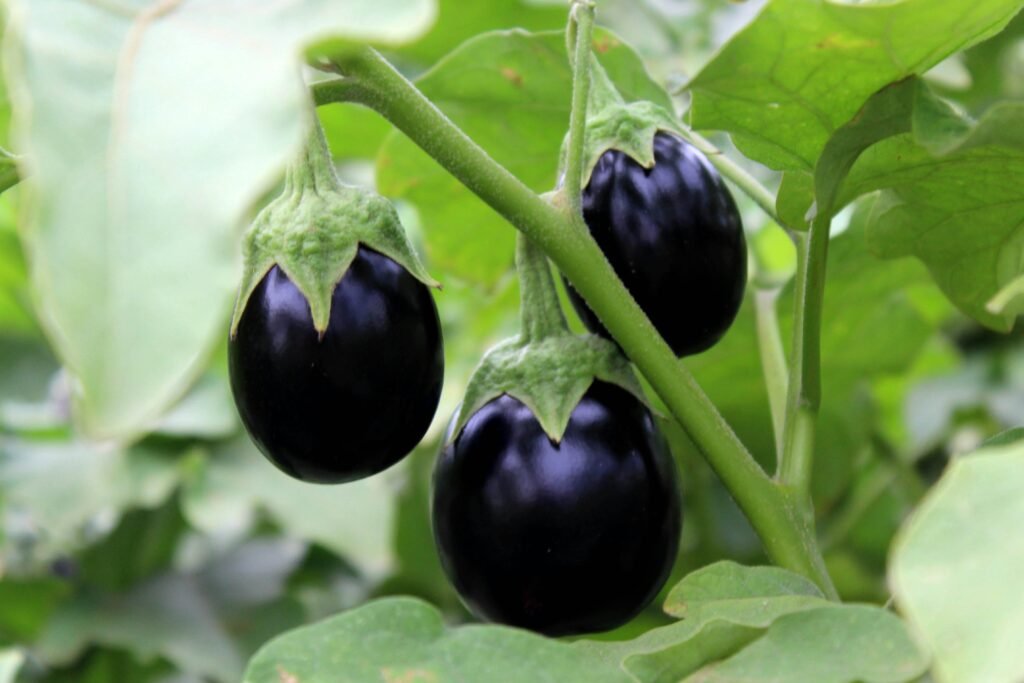
The small, round, white-to-green African eggplant — a West African kitchen staple eaten raw, in stews, and as a ceremonial food, with leaves also used as a nutritious vegetable.

About this crop

Garden egg is the African eggplant — distinct from the large purple eggplant (aubergine) familiar in South African supermarkets. It is a small, round fruit, typically white or pale green when ripe (though some varieties are orange-red), and slightly bitter in taste. It is eaten raw as a snack (dipped in groundnut paste), cooked in West African stews and soups, and is a staple ingredient in dishes like Ghanaian garden egg stew and Nigerian sauce. The fruit is also eaten ceremonially in some Igbo traditions — offered at important occasions as a symbol of life and good luck.

The leaves (called nkontomire in Ghana) are also eaten as a leafy vegetable — cooked similarly to spinach and used in palaver sauce and egusi stew. This dual use — fruit and leaf — makes garden egg a productive crop with multiple harvest streams.

At a glance
Category
Fruit vegetable
Plant type
Annual / short-lived perennial
Height
0.5–1.5m
Days to harvest
70–90 days
Frost tolerance
None
Dual use
Fruit + leaves (nkontomire)
Taste
Slightly bitter — decreases with cooking

Market opportunity

Commercial potential — diaspora-focused, growing
Garden egg is sold regularly at African specialty grocers in Mayfair, Fordsburg, and the Johannesburg CBD. Demand from West African households is consistent. Commercial supply is limited and often imported. A fresh Gauteng supply with reliable weekly availability could serve both retail and restaurant accounts in the West African diaspora food scene.