
Plant database
A living library of African indigenous food plants — growing guides, nutritional profiles, local names, and market potential. Updated as the Shiriki pilot farm generates field data.
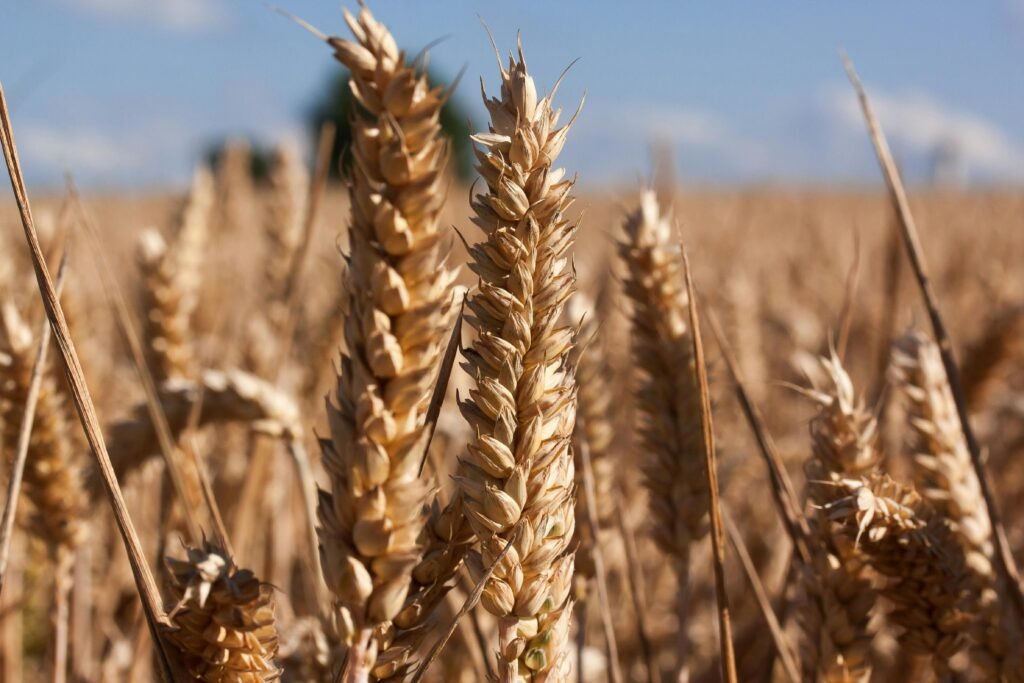
Grain · Foundation crop
Sorghum
Sorghum bicolor
The original African grain — drought-tolerant, gluten-free, deeply nutritious, and the foundation of traditional beers, porridges, and fermented foods across the continent. Now the grain of the AfCFTA food economy.
About this crop
Sorghum has been cultivated in Africa for at least 5,000 years and is the fifth most important cereal crop in the world. It was the primary grain of sub-Saharan Africa before maize — introduced by European colonisers — displaced it from the centre of the food system. Unlike maize, sorghum tolerates drought, heat stress, and waterlogging. It can produce a meaningful harvest in conditions where maize fails entirely. It is gluten-free, has a lower glycaemic index than most commercial cereals, and is rich in antioxidants.
Across Africa, sorghum is used to make traditional porridges (umngqusho in South Africa, ugali in East Africa), fermented beers (umqombothi in South Africa, tchakpalo in West Africa), flatbreads, and an increasing range of commercial products — sorghum flour, sorghum flakes, sorghum snacks. The growing global market for gluten-free grains has created entirely new commercial demand for sorghum in health food and specialty food channels.
Growing guide
Sorghum is a warm-season crop that grows best in full sun with warm to hot temperatures. In Gauteng, plant outdoors from October after the last frost. It tolerates poor soils and drought once established — in fact it performs poorly in over-irrigated conditions, which promotes vegetative growth at the expense of grain yield. Space plants 20–30cm in rows 60–90cm apart. It grows 1–4m tall depending on variety; shorter varieties are easier to manage and harvest.
Harvest when grain heads are firm and the moisture content is low — typically 3–5 months after planting. Thresh by hand or with a simple mechanical thresher. Dry thoroughly before storage. Properly dried sorghum grain stores for several years.