
Plant database
A living library of African indigenous food plants — growing guides, nutritional profiles, local names, and market potential. Updated as the Shiriki pilot farm generates field data.
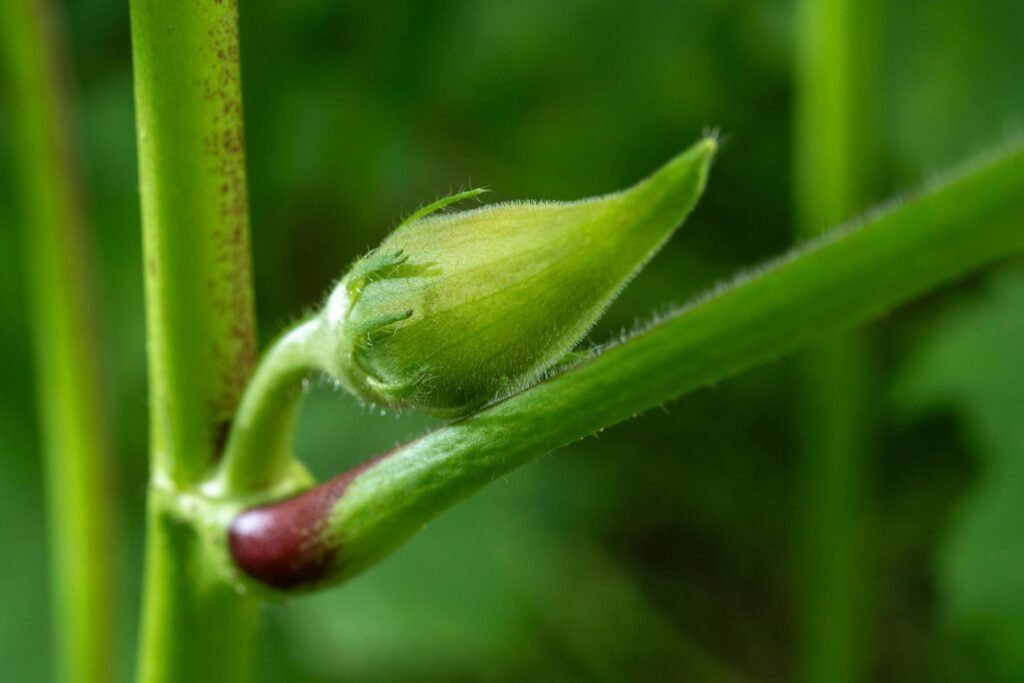
Vegetable · High demand
Okra
Abelmoschus esculentus
The mucilaginous green pod that defines cuisines from West Africa to the American South to South Asia — and one of the most commercially immediate crops in the Shiriki collection.
About this crop
Okra originated in Africa — most likely in the Ethiopia / Sudan region — and spread through West Africa, North Africa, and the Middle East before being carried to the Americas by enslaved Africans where it became foundational to Creole and Southern American cuisine. It is now grown and eaten across the entire tropical world, making it one of the most globally significant African food contributions in culinary history.
Okra’s defining characteristic is the mucilaginous gel produced by its seed pods when cooked — the same quality that makes ewedu and spider plant valuable, and that gives okra its thickening power in gumbo and West African stews. The pods are at their best when harvested young (6–8cm) and tender — older pods become fibrous and woody.
Growing guide
Okra is a warm-season crop that needs heat and full sun. In Gauteng, plant outdoors from October–November. Under tunnel cover, it can be started earlier. It tolerates drought reasonably well once established but performs best with consistent moisture. Direct-sow seeds 3–4cm deep, soaking in warm water for 12–24 hours before planting to improve germination. Space 40–50cm apart in rows 60–90cm apart.
Harvest pods when 6–8cm long — check every 2–3 days as they grow very quickly. Once pods become large and tough, remove them completely (do not leave on the plant) to encourage continued production. Regular harvest extends the productive period significantly. The leaves are also edible and can be harvested without affecting pod production.