
Plant database
A living library of African indigenous food plants — growing guides, nutritional profiles, local names, and market potential. Updated as the Shiriki pilot farm generates field data.
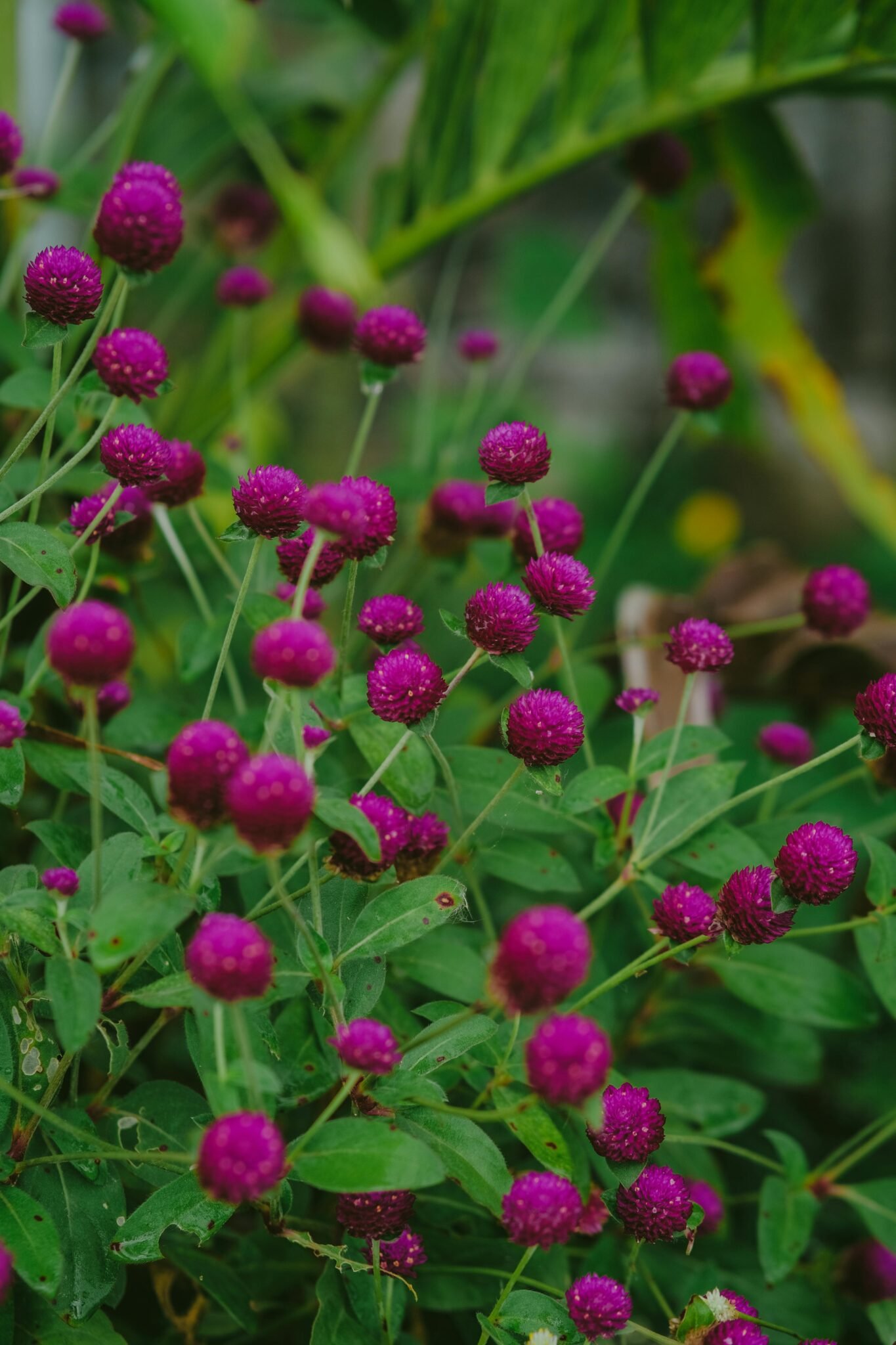
Leafy green · Dual use
Amaranth
Amaranthus hybridus / Amaranthus cruentus
One of the most nutritionally dense plants on earth — eaten as morogo across Southern Africa, as mchicha across East Africa, and increasingly recognised globally as a superfood grain and leafy vegetable.
About this crop
Amaranth is one of the most widespread and culturally significant leafy greens in Africa. Across Southern Africa it is harvested as morogo (the Sotho and Tswana term that has become the generic South African word for wild leafy greens). Across East Africa it is mchicha. Across West Africa it is tete. It is also, simultaneously, one of the world’s most nutritionally complete grains — its seed contains all essential amino acids, making it one of very few plant sources of complete protein.
Amaranth is incredibly fast-growing, highly productive, and adapts to a wide range of conditions. It thrives in heat, tolerates drought moderately well, and recovers quickly from cutting — making it one of the most productive cut-and-come-again crops available for a commercial leafy green operation. A single well-managed planting can produce multiple harvests over a growing season.
Growing guide
Amaranth is grown from seed, broadcast or sown in rows and thinned. Seeds are very fine — mix with sand for even distribution. It germinates quickly in warm soil (10–14 days). For leaf production, harvest regularly before flowering — once the plant goes to seed, leaf quality declines. Cut back hard to encourage regrowth. For grain production, allow to flower and mature, then thresh the seed heads.
Tolerates a wide pH range (5.5–7.5). Does not need rich soil — excess nitrogen produces leafy growth at the expense of seed. In Gauteng, grow outdoors in summer; bring under tunnel cover in winter to extend the season.